Welcome to SISTER'S CUISINE a Best Quality Recipe's Platform
LOTUS ROOT KABABS
- Home
- Desi Recipe's
- LOTUS ROOT KABABS
LOTUS ROOT KABABS - Crispy Kamal Kakri Cutlets Recipe (Vegetarian & Healthy!)
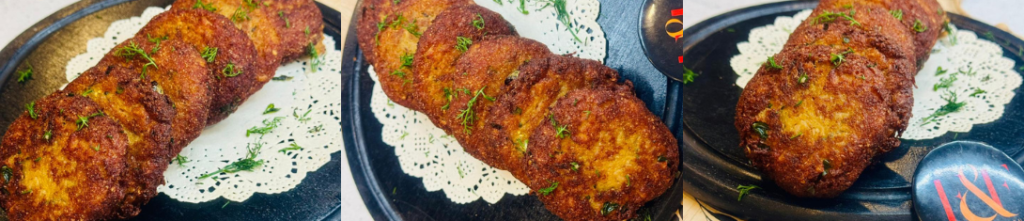
The Definitive Guide to Lotus Root Kababs: A Heritage Kamal Kakri Recipe by Nabila Imran
Introduction: The Unsung Hero of South Asian Cuisine
When people think of South Asian appetizers, the mind often wanders to the classic Potato Samosa or the meat-heavy Shami Kabab. However, there is a hidden gem in the culinary landscape of Pakistan and India that offers a texture and flavor profile unlike any other: the Lotus Root, known locally as Kamal Kakri, Bheen, or Nadru.
At Sister’s Cuisines, led by Flavor Architect Nabila Imran, we are on a mission to bring these “forgotten” ingredients back to the global table. These Lotus Root Kababs are more than just a snack; they are a masterclass in texture, blending the earthy depth of the lotus stem with the aromatic brightness of garden-fresh herbs.
What is Kamal Kakri? (The Science & History)
The lotus root is the edible rhizome (root) of the lotus plant (Nelumbo nucifera). For centuries, it has been a staple in both culinary and medicinal practices across Asia.
The Anatomy of Taste
Visually, the lotus root is stunning, featuring a series of air canals that create a lace-like pattern when sliced. Culturally, it holds deep significance, symbolizing purity and resilience. In the kitchen, it is prized for its structural integrity. While most root vegetables turn to mush when cooked, the lotus root contains a high concentration of cellulose and lignin, allowing it to maintain a “fibrous bite” that mimics the mouthfeel of meat.
Regional Variations
- Kashmir (Nadru): Often used in Nadru Yakhni (a yogurt-based curry).
- Sindh (Bheen): Frequently sautéed with caramelized onions and spices.
- Punjab (Kamal Kakri): Traditionally used in pickles or hearty masalas.
Nutritional Excellence: Why Lotus Root is a Superfood
In an era where plant-based eating is booming, the Kamal Kakri Kabab stands out as a nutritional powerhouse. If you are looking for a healthy, gluten-free friendly (with a simple swap) appetizer, this is it.
Nutrient | Benefit |
Dietary Fiber | Promotes gut health and provides long-lasting satiety. |
Vitamin C | A powerful antioxidant that supports collagen production. |
Potassium | Essential for heart health and maintaining blood pressure. |
Vitamin B6 | Aids in mood regulation and brain function. |
Iron & Copper | Crucial for the production of red blood cells. |
The Sister’s Cuisines Philosophy: Flavor Architecture
Nabila Imran’s approach to this recipe is rooted in Flavor Architecture. This isn’t just about mixing ingredients; it’s about building layers of taste.
- The Foundation: The earthy, woody notes of the lotus root.
- The Binder: Creamy, starchy potatoes that provide a smooth backdrop.
- The Brightness: Spring onions and fresh coriander that cut through the density.
- The Heat: Green chilies and black pepper for a lingering warmth.
Ingredients Deep-Dive: Selecting the Best Produce
To achieve a five-star result, you must start with the best ingredients.
- Fresh vs. Frozen Lotus Root: While frozen is convenient, fresh lotus root is superior for kababs. Look for roots that are heavy for their size, firm to the touch, and free from soft spots or dark bruising.
- The Potato Ratio: We use a ratio of 500g Lotus Root to 2 Potatoes. This ensures the kababs are light. Too much potato makes them heavy; too little makes them fall apart.
- The Spices: * Paprika: Adds a vibrant color and a mild, smoky undertone.
- Cumin: Toasted and ground for an earthy aroma.
- Black Pepper: Provides a sharp, sophisticated heat compared to red chili powder.
The Masterclass: Step-by-Step Instructions
Step 1: Cleaning and Preparation
Lotus roots grow in the mud. To clean them, cut off the ends, peel the skin with a vegetable peeler, and rinse thoroughly. If there is mud inside the holes, use a pipe cleaner or a straw to push it out.
Step 2: The Perfect Boil
Cut the roots into chunks and boil in salted water for 15–20 minutes. You are looking for a “fork-tender” consistency. Pro Tip: Adding a splash of vinegar or lemon juice to the boiling water keeps the roots from turning grey.
Step 3: The Rough Chop (The Secret to Texture)
This is where most people go wrong. Do not blend the lotus root into a smooth paste. Use a food processor and pulse it until it looks like coarse mince. This preserves the “bite” that makes Kamal Kakri famous.
Step 4: Assembly
In a large mixing bowl, combine the minced root, mashed potatoes, chopped onions, spring onion greens, coriander, and spices. Mix by hand to ensure the herbs are evenly distributed without bruising the greens.
Step 5: Shaping and The “Freezer Secret”
Shape into 2-inch discs. The Freezer Secret: Place the shaped kababs on a tray and chill in the freezer for 30 minutes. This “sets” the proteins and starches, ensuring they don’t break when they hit the hot oil.
Step 6: The Golden Fry
Whisk an egg with a pinch of salt. Dip each kabab in the egg-wash and shallow fry in a heavy-bottomed pan. Fry until the crust is a deep golden brown—roughly 3 minutes per side.
Troubleshooting & Chef’s Tips
- My kababs are breaking! This usually happens if the mixture is too wet. Add a tablespoon of roasted gram flour (besan) or breadcrumbs to the mix.
- Can I make this Vegan? Yes! Skip the egg-wash and use a cornstarch slurry (cornstarch + water) or simply dust them in rice flour for extra crunch.
- Can I use an Air Fryer? Absolutely. Lightly spray the chilled kababs with oil and air fry at 190°C for 12–15 minutes, flipping halfway through.
Serving Suggestions & Pairings
Elevate your Lotus Root Kababs with these professional serving ideas:
- The “Chutney Tray”: Serve with a trio of Mint-Coriander Chutney, Tamarind Date Chutney, and a spicy Garlic Chili dip.
- The Kabab Slider: Place a kabab inside a toasted brioche bun with pickled onions and a dollop of raita.
- The High-Tea Platter: Pair with a steaming cup of Masala Chai for the ultimate rainy-day snack.
FAQ: Frequently Asked Questions for SEO
Is Kamal Kakri good for weight loss?
Yes, it is high in fiber and low in fat, making it a great addition to a calorie-controlled diet.
Can I store the mixture in the fridge?
Yes, the prepared mixture (before adding salt) can stay in the fridge for 24 hours. Add salt just before frying to prevent the vegetables from releasing water.
What does Lotus Root taste like?
It has a mild, slightly sweet, and earthy flavor, similar to a cross between a potato and a water chestnut.
Conclusion: Fuel the Flavor Legacy
By cooking this recipe, you are helping Sister’s Cuisines preserve the generational cooking methodologies of South Asian mothers. We believe in a global table where heritage meets innovation.
LET’S BUILD A GLOBAL TABLE: Connect & Create!
The adventure continues after the final garnish! We encourage you to share your finished dishes and engage with our thriving community. Follow the flavor and connect with us:
More Blogs:
- Chane Ki Dal Halwa: The Ultimate Festive Mithai (A Royal, Slow-Cooked Delicacy)
- Bhindi Gosht: The Secret to Non-Slimy Perfection (A Comfort Curry Masterclass)
- Spicy Crab Masala: A Feast of Flavor with Secret Special Spices
- Green Garlic Pickle (Lehsun ka Achar): Your Quick & Tangy Winter Relish!
- Hari Mirch Chicken Qeema: The Ultimate Green Chili Mince (A Weeknight Delight)
- Deghi Style Mutton Qorma (Velvety, Aromatic, and Rich)
- Easy and Delicious Chicken Salami Recipe
- Desi Indian Moong Dal Recipe – Comforting, Healthy, and Authentically Desi
- Hyderabadi Nizami Chicken – Royal Desi Recipe with a Touch of Humor