Welcome to SISTER'S CUISINE a Best Quality Recipe's Platform
CHICKEN STEW
- Home
- Desi Recipe's
- CHICKEN STEW
Shadi Style Chicken Stew That Tastes Like a Wedding Feast | Sister's Cuisine | Tasty Stew
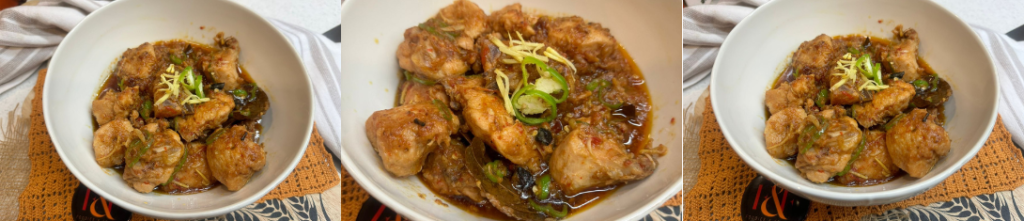
Shadi-Style Chicken Stew: The Secret to Professional Wedding-Level Fragrance
Introduction: The Magic of the “Degi” Flavor
If you have ever attended a traditional South Asian wedding (Shadi), you know the unmistakable aroma that wafts from the large copper cauldrons (Degs). It is a scent that is both sharp and sweet, earthy and floral. It is the scent of Shadi-Style Chicken Stew.
While many home cooks struggle to replicate that professional caterer taste, Nabila Imran, Flavor Architect at Sister’s Cuisines, has decoded the formula. The secret doesn’t lie in more chili or more oil; it lies in the timing of the aromatics. In this guide, we explore the two-stage spice application and the use of Mustard Oil to create a dish that is truly celebratory.
- The Foundation: Why Mustard Oil?
In the Frontier and Northern regions of South Asia, Mustard Oil (Sarson ka Tel) is the lifeblood of flavorful cooking.
- The High Smoke Point: Mustard oil can be heated to high temperatures, which is essential for “blooming” whole spices.
- The Pungent Profile: It has a natural “zing” that neutralizes the raw smell of poultry and adds a layer of complexity that vegetable oils simply cannot match.
- The Traditional Method: To use it correctly, you must heat it until it reaches its smoking point (to remove the raw bitterness) and then slightly cool it before adding your spices.
- Structural Integrity: The Rustic Texture
One of the defining features of a Shadi-Style Stew is that the vegetables are not blended into a smooth paste.
- The Onions: Sliced thin, they caramelize and provide a sweet base.
- The Tomatoes: Kept in larger chunks, they provide “bursts” of acidity.
- The Chilies: Whole dried red chilies provide a smoky visual and a mild heat infusion without making the dish overwhelmingly spicy.
This creates a “semi-dry” consistency that clings to the chicken, making it the perfect partner for tandoori naan.
- The Science of the “Double Spice Finish
At Sister’s Cuisines, we teach that spices behave differently based on when they are added to the heat.
Stage 1: The Base Bloom
At the start, we add Bay Leaves, Star Anise, Cloves, and Big Cardamom. These are “fat-soluble” spices. Frying them in the oil extracts their deep, woody base notes, creating a fragrant foundation for the chicken.
Stage 2: The Volatile Finish (Jaiphal & Javitri)
Nutmeg (Jaiphal) and Mace (Javitri) are the “crown jewels” of wedding cooking. Their essential oils are highly volatile—if you cook them for too long, their fragrance evaporates. By grinding them fresh and adding them in the final 5 minutes of Dum (steaming), we ensure that the very first scent the guest encounters is one of luxury and celebration.
- Masterclass: Step-by-Step Methodology
Phase I: The Aromatic Bloom
- Heat 1/3 cup of Mustard Oil until it smokes, then turn off the heat for a minute.
- Add your Whole Garam Masala (Star Anise, Cinnamon, Cloves, Cardamom). When they begin to crackle and release their scent, add the sliced onions.
- Fry the onions until they are a beautiful light golden.
Phase II: Building the “Masala”
- Add the Whole Dry Red Chilies, chopped ginger, and garlic.
- Stir in the chunky tomatoes, crushed chili, and salt. Sauté until the tomatoes are slightly softened but still hold their shape.
Phase III: The Chicken Infusion
- Add 1.5 kg of Chicken. Sauté on high heat (Bhunao) until the chicken changes color from pink to white. This seals in the juices.
- Add a small amount of water (about 1 cup). Cover and simmer on medium heat. The goal is to let the chicken cook in the steam of the tomatoes and onions.
Phase IV: The Grand Finale (The Shadi Secret)
- Once the chicken is tender and the oil has separated (Tarka), it’s time for the secret blend.
- Grind Green Cardamom, Nutmeg, and Mace into a fine powder. Sprinkle this over the stew.
- Add ginger julienne and fresh green chilies.
- The Dum: Cover the pot tightly and let it sit on very low heat for 5 minutes. This allows the fresh powder to permeate the meat.
- Nutritional Value: Celebrating with Balance
While this is a celebratory dish, it is surprisingly balanced:
- Protein: High-quality lean protein from the chicken.
- Digestive Spices: Ginger, garlic, and cloves are natural carminatives that aid digestion.
- Antioxidants: Found in the high volume of onions and tomatoes used in the base.
- 6. Troubleshooting & Expert Tips
- How do I prevent the Mustard Oil from being too strong? Always heat it to the smoking point first. If it’s still too pungent for your taste, you can add a pinch of salt to the oil while heating.
- The gravy is too watery: Increase the heat at the end to dry out the excess moisture. A Shadi Stew should be “Masaledaar” (thick and coating), not a soup.
- I can’t find Mace (Javitri): While there is no perfect substitute, a tiny bit of extra nutmeg or a dash of allspice can work in a pinch, though the authentic “wedding scent” will be slightly different.
- The Sister’s Cuisines Mission: Preserving the Legacy
Every time you make this Shadi-Style Chicken Stew, you are honoring a tradition that spans generations. At Sister’s Cuisines, Nabila Imran is dedicated to documenting these “professional secrets” that were once held closely by village caterers and grandmothers.
Why Your Engagement Matters
Your Likes, Shares, and Subscriptions are the fuel that keeps this flavor legacy alive. By engaging with our community, you help us transmit these meticulous methodologies to a global audience, ensuring that the “warmth of the family table” is never lost.
- Top Questions About South Asian Stews
Is Chicken Stew different from Chicken Curry? Yes. A curry usually has a blended, smooth gravy. A stew (Ishtu) features whole spices and a more textured, chunky base of onions and tomatoes.
Can I make this in a Pressure Cooker? You can, but the chicken may lose its texture. For the best “Shadi” results, a slow-cook in a heavy-bottomed pot is recommended to allow the spices to develop.
What should I serve with Chicken Stew? This dish is best enjoyed with Tandoori Naan, Kulcha, or Sheermal. It also pairs beautifully with a simple Zeera Rice.
Conclusion: Bring the Celebration Home
You don’t need a wedding invitation to enjoy the flavors of the Frontier. With the right technique—Mustard Oil, whole spices, and that final touch of Nutmeg and Mace—you can turn any weeknight dinner into a festive occasion.
Did you try the Double-Spice Finish? Share your results with the Sister’s Cuisines community! Tag us in your photos and let us know how the fragrance transformed your kitchen.
LET’S BUILD A GLOBAL TABLE: Connect & Create!
The adventure continues after the final garnish! We encourage you to share your finished dishes and engage with our thriving community. Follow the flavor and connect with us:
More Blogs :
- Chane Ki Dal Halwa: The Ultimate Festive Mithai (A Royal, Slow-Cooked Delicacy)
- Bhindi Gosht: The Secret to Non-Slimy Perfection (A Comfort Curry Masterclass)
- Spicy Crab Masala: A Feast of Flavor with Secret Special Spices
- Green Garlic Pickle (Lehsun ka Achar): Your Quick & Tangy Winter Relish!
- Hari Mirch Chicken Qeema: The Ultimate Green Chili Mince (A Weeknight Delight)
- Deghi Style Mutton Qorma (Velvety, Aromatic, and Rich)
- Easy and Delicious Chicken Salami Recipe
- Desi Indian Moong Dal Recipe – Comforting, Healthy, and Authentically Desi
- Hyderabadi Nizami Chicken – Royal Desi Recipe with a Touch of Humor