Welcome to SISTER'S CUISINE a Best Quality Recipe's Platform
BANNU BEEF PULAO
- Home
- Desi Recipe's
- BANNU BEEF PULAO
Best Bannu Beef Pulao Recipe | Juicy Meat & Rice Delicacy Of Bannu KPK | Bannu Pulao
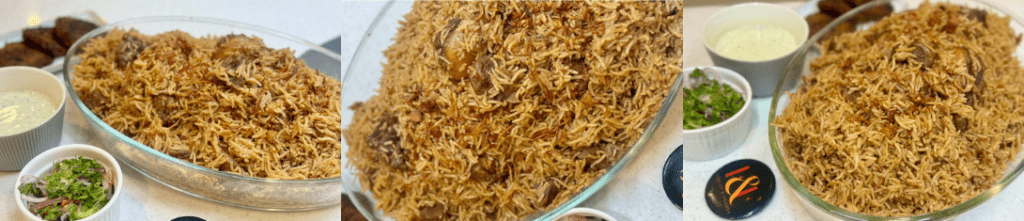
The Ultimate Guide to Bannu Beef Pulao: Master the Sticky, Succulent Frontier Classic
Introduction: More Than Just Rice and Meat
In the rugged landscapes of the Khyber Pakhtunkhwa province lies a culinary treasure that has taken the food world by storm: Bannu Beef Pulao. While the world is familiar with the floral notes of Lucknowi Pulao or the spicy punch of Hyderabadi Biryani, the Bannu version stands in a league of its own.
It is a dish defined by intensity. It is dark, it is peppery, and most importantly, it has a signature “sticky” (chip-chipa) quality that comes from the slow-rendered gelatin of beef marrow. At Sister’s Cuisines, Flavor Architect Nabila Imran breaks down this legendary Frontier dish into an accessible masterpiece for your home kitchen.
- The Anatomy of Bannu Pulao: What Makes it Different?
Standard Pulaos often aim for “one-one” grains—rice that is completely separate and fluffy. Bannu Pulao, however, celebrates a slightly moist, succulent texture where the rice is almost “coated” in a rich, beefy glaze.
The Beef Selection (The Secret to Success)
You cannot make authentic Bannu Pulao with lean meat. Nabila Imran insists on a combination of specific cuts:
- Seena (Brisket): For the essential fat content that melts into the rice.
- Bong (Shank): For the gelatinous tissues that create the sticky texture.
- Dasti (Shoulder): For the tender, meaty chunks.
- Nalli (Marrow Bones): The soul of the dish. Without the marrow rendering into the Yakhni (stock), it’s just a regular beef pulao.
- Nutritional Profile: A High-Protein Powerhouse
Bannu Pulao is a calorie-dense, celebratory meal. It is rich in:
- Collagen: Sourced from the marrow and connective tissues, excellent for joint health and skin elasticity.
- Iron and B12: High-quality beef provides essential minerals for energy.
- Complex Carbohydrates: Sourced from aged Basmati or Sella rice, providing sustained energy.
- The Sister’s Cuisines “Bespoke” Spice Blend
Most commercial recipes rely on store-bought packets. At Sister’s Cuisines, we believe the “Flavor Architect” must control the aromatics. Our homemade blend is ground fresh for every batch.
The Signature Nine Spices:
- Star Anise: For a subtle licorice sweetness.
- Mace (Javitri): For a delicate, floral aroma.
- Nutmeg (Jaiphal): To add warmth and depth.
- Fennel Seeds (Saunf): The “secret” ingredient that aids digestion and adds a cooling top note.
- Black Cardamom: For a smoky, bold base.
- Green Cardamom: For high-end citrusy notes.
- Cloves: For a pungent, spicy kick.
- Cinnamon: To bridge the gap between sweet and savory.
- Whole Black Peppercorns: The primary heat source of Bannu Pulao.
- Masterclass: Step-by-Step Methodology
Phase I: Crafting the Liquid Gold (The Yakhni)
The foundation of this recipe is a concentrated beef stock.
- The Searing: Sear the beef chunks and marrow bones in a pressure cooker or heavy pot with ginger-garlic paste until the meat changes color.
- The Simmer: Add water and a bouquet garni (potli) of whole spices. Cook until the meat is 90% tender. The stock should be reduced until it is thick and dark.
Phase II: The Caramelized Base (The Masala)
This is where the Bannu Pulao gets its famous color.
- The Onion Technique: Fry onions until they reach a deep, dark mahogany brown—but be careful not to burn them.
- The Mash: Add tomatoes and ginger-garlic paste. Using a heavy spoon, mash the tomatoes into the onions until they form a thick, jam-like paste. This “Masala” will coat every grain of rice.
Phase III: Integrating the Beef
Add the boiled beef to the masala. Sauté (Bhunai) on high heat until the oil separates and the meat is beautifully glazed.
Phase IV: The Rice and Liquid Ratio
We use 3 cups of aged rice to 4 cups of concentrated Yakhni.
- Pro Tip: If using Sella rice (traditional for Bannu Pulao), soak it for at least 2 hours. If using Basmati, 30 minutes is sufficient.
Phase V: The “Dum” (Pressure Steaming)
This is the final transformation.
- Add the rice to the boiling beef and stock.
- Cook on high flame until the water is almost absorbed and “eyelets” (small holes) appear on the surface of the rice.
- Seal the pot with a wet cloth and a heavy lid. Place the pot on a Tawa (griddle) for 10–12 minutes on the lowest possible heat.
- Troubleshooting: Common Bannu Pulao Mistakes
- Rice is too dry: This happens if you use lean meat. Ensure at least 20% of your beef is fat/marrow-rich.
- Rice is mushy: You likely added too much water or didn’t cook on a high enough flame before the Dum. The ratio of 1:1.3 (Rice to Water) is key for this “sticky” style.
- Lack of Color: This usually means the onions weren’t fried dark enough. The onions are the natural dye for the pulao.
- The Sister’s Cuisines Movement: Fuel the Flavor Legacy
By following this recipe, you are participating in a movement to preserve the Frontier’s culinary history. Nabila Imran’s mission is to ensure that these labor-intensive, soulful dishes aren’t replaced by “instant” versions that lack depth.
Why Partner with Us? Every “Like” and “Share” helps us document the secret techniques of grandmothers from the Bannu region to the streets of Karachi. We are building a Global Table where heritage is celebrated through modern, clear instructions.
- Serving Suggestions: The Perfect Accompaniments
To serve Bannu Beef Pulao like a pro, you need the right sides:
- Red Onion Laccha: Thinly sliced onions soaked in ice water with a squeeze of lemon.
- Traditional Raita: Thick yogurt with roasted cumin and black salt.
- Shami Kababs: For the ultimate “Frontier Feast.”
- Top Questions About Bannu Pulao
What makes Bannu Pulao “sticky”? The stickiness comes from the high gelatin content in marrow bones (Nalli) and beef shank (Bong) rendered during the slow-cooking process.
Can I make this with Mutton? While traditionally made with Beef, you can use Mutton. However, ensure you use the “Put” (shoulder) and “Machli” (shank) cuts to get a similar texture.
Is Bannu Pulao spicy? It is not “chili-hot” like a biryani, but it is “warm-spicy” due to the heavy use of black pepper and cloves.
Conclusion: A Culinary Journey in Your Kitchen
Bannu Beef Pulao is a testament to the power of patience and quality ingredients. From the dark caramelized onions to the melt-in-your-mouth marrow, every bite is a narrative of the Frontier.
Ready to start? Grab your Nalli bones and let’s build this legacy together!
Would you like me to create a 7-day meal plan featuring this Pulao and other Sister’s Cuisines classics?
LET’S BUILD A GLOBAL TABLE: Connect & Create!
The adventure continues after the final garnish! We encourage you to share your finished dishes and engage with our thriving community. Follow the flavor and connect with us:
More Blogs :
- Chane Ki Dal Halwa: The Ultimate Festive Mithai (A Royal, Slow-Cooked Delicacy)
- Bhindi Gosht: The Secret to Non-Slimy Perfection (A Comfort Curry Masterclass)
- Spicy Crab Masala: A Feast of Flavor with Secret Special Spices
- Green Garlic Pickle (Lehsun ka Achar): Your Quick & Tangy Winter Relish!
- Hari Mirch Chicken Qeema: The Ultimate Green Chili Mince (A Weeknight Delight)
- Deghi Style Mutton Qorma (Velvety, Aromatic, and Rich)
- Easy and Delicious Chicken Salami Recipe
- Desi Indian Moong Dal Recipe – Comforting, Healthy, and Authentically Desi
- Hyderabadi Nizami Chicken – Royal Desi Recipe with a Touch of Humor