Welcome to SISTER'S CUISINE a Best Quality Recipe's Platform
BAND GOBHI GOSHT
- Home
- Desi Recipe's
- BAND GOBHI GOSHT
BANDGOBHI GOSHT - Traditional Cabbage Meat Curry Recipe
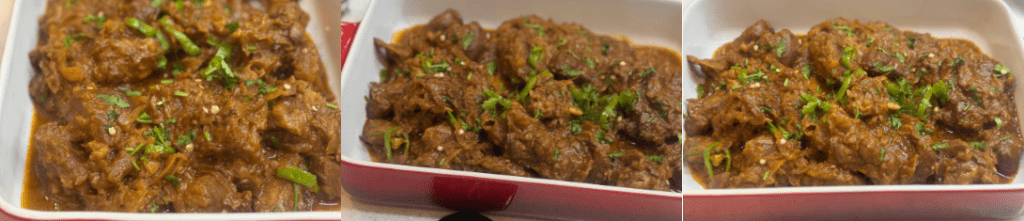
Band gobhi Gosht: The Ultimate Guide to Authentic Mutton and Cabbage Curry
In the vast landscape of South Asian gastronomy, few dishes capture the essence of home-style comfort quite like Band gobhi Gosht. Often referred to as Cabbage and Mutton Curry, this dish is a masterclass in balance—pairing the rich, savory depth of slow-cooked meat with the light, earthy sweetness of garden-fresh cabbage.
At Sister’s Cuisines, led by Flavor Architect Nabila Imran, we believe that cooking is more than just following a list of ingredients; it is an act of preservation. Today, we invite you to discover a recipe that bridges the gap between traditional heritage and the modern palate.
What is Band gobhi Gosht?
Band gobhi Gosht is a staple in Pakistani and North Indian households. The name literally translates to “Closed-Leaf Cabbage” (Band gobhi) and “Meat” (Gosht). While many meat-based curries can feel heavy, the inclusion of cabbage transforms this into a nutritious, semi-dry stir-fry that is as vibrant as it is flavorful.
The secret to a world-class Band gobhi Gosht lies in the texture. The mutton must be “melt-in-your-mouth” tender, while the cabbage should be soft enough to meld with the gravy but firm enough to retain a subtle bite.
The Sister’s Cuisines Difference: Why This Recipe Ranks Superior
If you have searched for “How to cook Mutton with Cabbage,” you will find hundreds of variations. However, our method focuses on two professional pillars that elevate this dish from a standard meal to a culinary experience:
- The Mastery of the “Double Bhunao”
In South Asian cooking, Bhunao refers to the process of sautéing or searing meat and spices on high heat to develop deep, caramelized flavors. Our recipe employs a Double Bhunao technique:
- The First Bhunao: This happens early in the process. We sear the mutton with onions, tomato paste, and foundational spices. This locks in the juices and removes any “gaminess” from the meat.
- The Second Bhunao: Performed at the final stage after adding yogurt. This creates a “silky masala” that coats every shred of cabbage, ensuring the dish isn’t watery or bland.
- A Refined Spice Palette
We move away from the “everything but the kitchen sink” approach to spices. By highlighting Roasted Ground Cumin and Paprika, we provide:
- Smoky Depth: Cumin, when roasted, offers an earthy aroma that complements the mutton perfectly.
- Vibrant Aesthetics: Paprika provides a stunning crimson hue without the aggressive heat of standard chili powder, making it family-friendly and visually appealing.
Ingredients: The Foundation of Flavor
To recreate this authentic Pakistani Mutton recipe, quality is key. Ensure your mutton is fresh and your cabbage is crisp.
- Mutton (0.5 kg): Preferably bone-in (goat or lamb) for a richer bone-marrow-infused gravy.
- Cabbage (0.5 kg): Finely sliced or shredded. Freshness is vital—look for a heavy, tight head of cabbage.
- The Aromatics: 2 medium onions (finely chopped), 1 tbsp ginger-garlic paste, and 2 tbsp tomato puree.
- The Dairy: 3 tbsp of thick, whisked yogurt (adds acidity and creaminess).
- The Spice Rack: * 1 tsp Roasted Ground Cumin
- 1 tsp Paprika (or Kashmiri Lal Mirch)
- 1/2 tsp Turmeric powder
- 1 tsp Garam Masala
- Salt to taste
- Garnish: Fresh coriander, julienned ginger, and split green chilies.
Step-by-Step Culinary Instructions
Phase 1: The Base and the First Bhunao
Heat oil in a heavy-bottomed pot or pressure cooker. Add the sliced onions and sauté until they reach a beautiful golden brown. Stir in the ginger-garlic paste until fragrant. Add the mutton pieces and sear on high heat until the meat changes color.
Now, add the tomato puree, salt, turmeric, and paprika. This is your first Bhunao. Sauté until the oil begins to separate from the masala—this is the sign that your flavors have concentrated.
Phase 2: The Slow Cook
Add enough water to cover the meat (usually 1.5 to 2 cups) and simmer on low heat until the mutton is 90% cooked. If using a pressure cooker, this usually takes 15–20 minutes depending on the cut of meat. The meat should be tender but not falling off the bone yet.
Phase 3: Wilt and Weave
Add the shredded cabbage to the pot. Do not add more water! Cabbage has high water content and will steam in its own juices. Cover and cook on medium-low heat for about 10–12 minutes.
Phase 4: The Finishing Touch (The Second Bhunao)
Once the cabbage has wilted, add the whisked yogurt. Turn the heat up to medium-high and stir constantly. This is the second Bhunao. You are looking for a “semi-dry” consistency where the liquid has evaporated, leaving a thick, aromatic coating on the meat and cabbage.
Finish by sprinkling the Roasted Ground Cumin and Garam Masala. Garnish with fresh coriander and ginger.
Nutrition and Health Benefits
Band gobhi Gosht is a fantastic choice for those seeking healthy meat recipes.
- Cabbage is a powerhouse of Vitamin K, Vitamin C, and dietary fiber, aiding in digestion.
- Mutton provides high-quality protein and essential minerals like zinc and iron.
- By using the Double Bhunao technique, we minimize the need for excessive oil while maximizing flavor.
Professional Serving Suggestions: The “Dal Chawal” Connection
While many enjoy this with Handmade Roti or Butter Naan, there is a “secret” traditional pairing that every connoisseur knows: Dal Chawal.
Serving Band gobhi Gosht as a side dish to yellow lentils (Tarka Dal) and steamed basmati rice creates a textural masterpiece. The crunch of the cabbage and the richness of the mutton provide a savory counterpoint to the soft, comforting lentils.
About Nabila Imran & Sister’s Cuisines
Nabila Imran is more than a chef; she is a Flavor Architect. Her mission through Sister’s Cuisines is to act as a guardian of South Asian culinary heritage. By combining the “andaza” (intuitive cooking) of our grandmothers with the precision required for the modern international kitchen, Nabila ensures that every recipe tells a story of culture, family, and love.
Join Our Global Culinary Community
Your journey into the world of authentic cooking doesn’t end here. At Sister’s Cuisines, we are building a global table where heritage is celebrated daily.
- Subscribe to our Newsletter: Get exclusive tips on mastering the Bhunao technique.
- Follow us on Social Media: Share your Bandgobhi Gosht creations using the hashtag #SistersCuisines.
- Invest in Heritage: Your likes, shares, and subscriptions allow us to continue documenting the generational recipes of our mothers for the world to see.
LET’S BUILD A GLOBAL TABLE: Connect & Create!
The adventure continues after the final garnish! We encourage you to share your finished dishes and engage with our thriving community. Follow the flavor and connect with us:
More Blogs:
- Chane Ki Dal Halwa: The Ultimate Festive Mithai (A Royal, Slow-Cooked Delicacy)
- Bhindi Gosht: The Secret to Non-Slimy Perfection (A Comfort Curry Masterclass)
- Spicy Crab Masala: A Feast of Flavor with Secret Special Spices
- Green Garlic Pickle (Lehsun ka Achar): Your Quick & Tangy Winter Relish!
- Hari Mirch Chicken Qeema: The Ultimate Green Chili Mince (A Weeknight Delight)
- Deghi Style Mutton Qorma (Velvety, Aromatic, and Rich)
- Easy and Delicious Chicken Salami Recipe
- Desi Indian Moong Dal Recipe – Comforting, Healthy, and Authentically Desi
- Hyderabadi Nizami Chicken – Royal Desi Recipe with a Touch of Humor