Welcome to SISTER'S CUISINE a Best Quality Recipe's Platform
ALOO PALAK
- Home
- Desi Recipe's
- ALOO PALAK
Spinach & Potato Curry: The Secret to the Perfect Aloo Palak
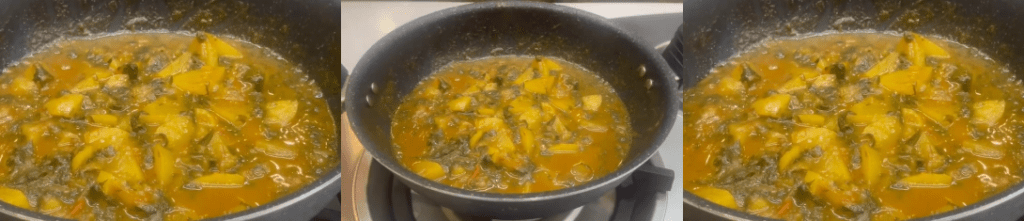
In the repertoire of South Asian home cooking, few dishes are as comforting and nutrient-dense as Aloo Palak (Spinach & Potato Curry). It is a dish that celebrates the earthy sweetness of fresh spinach and the heartiness of tender potatoes.1
At Sister’s Cuisines, led by Flavor Architect Nabila Imran, we believe the difference between a standard vegetable stir-fry and an authentic Sabzi lies in the choice of fat and the “Bhunao” (roasting) of spices. By using Mustard Oil and following a specific layering technique, we transform these humble ingredients into a vibrant, aromatic masterpiece.
What Makes This Spinach & Potato Curry Authentic?
To achieve the deep, rustic flavor found in traditional village kitchens, we focus on two culinary pillars:
- The Mustard Oil “Smoking Point”
Mustard oil is the heart of North Indian and Pakistani vegetable cooking. However, it can be bitter if used incorrectly. We heat the oil until it reaches its smoking point—this “tempers” the oil, removing its raw pungency and replacing it with a sophisticated, nutty aroma that perfectly complements leafy greens.2
- The Final “Bhunao” (The Water-Dry Method)
Spinach naturally releases a significant amount of water. A common mistake is leaving the curry watery. At Sister’s Cuisines, we finish the dish by uncovering the pan and performing a final Bhunao (frying). This evaporates the excess moisture, allowing the flavors to concentrate and the oil to lightly coat the spinach, giving it a professional, glossy finish.
Ingredients: The Elements of Earth & Spice
Component | Ingredients |
The Foundation | 3–4 tbsp Mustard Oil, 2 Thinly sliced Onions |
The Base | 2 Chopped Tomatoes, Salt to taste |
The Harvest | 2 Cubed Potatoes, ½ kg Chopped Spinach (Palak) |
The Spice Palette | 1 tsp Red chili powder, ½ tsp Turmeric, 1 tbsp Coriander powder |
Liquid | Water as needed |
Step-by-Step Instructions: Mastering the Sabzi
Step 1: Tempering the Mustard Oil
Heat the mustard oil in a heavy-bottomed pan. Wait until you see wisps of white smoke—this is the “smoking point.” Immediately reduce the flame. This step is crucial for a smooth, savory flavor.
Step 2: Building the Masala
Add the sliced onions and fry until they reach a light golden hue. Stir in the chopped tomatoes and cook until they soften.
Chef’s Tip: Cover the pan for 2 minutes after adding tomatoes; the steam helps them “melt” into a jam-like consistency faster.
Step 3: The Bhunao Process
Add your red chili powder, turmeric, coriander powder, and salt. Sauté (Bhunao) the masala vigorously. You will know it is ready when the raw smell of the spices vanishes and the oil begins to separate at the edges of the pan.
Step 4: Cooking the Potatoes
Add the cubed potatoes and fry them in the masala for a few minutes to sear the edges. Add a small splash of water, cover, and cook until the potatoes are 80% tender.
Step 5: Incorporating the Spinach
Add the chopped spinach. Spinach wilts quickly, so don’t worry if it looks like too much for the pan initially. Add a little water, cover, and let the spinach steam until soft.
Step 6: The Final Concentration
Uncover the pan and increase the heat slightly. Perform the final Bhunao, stirring until the excess water dries up. This ensures the spices stick to the vegetables rather than floating in a watery broth.
About Nabila Imran & Sister’s Cuisines
I am Nabila Imran, a Flavor Architect and guardian of authentic South Asian flavor. My mission at Sister’s Cuisines is to act as a bridge between the time-honored techniques of our heritage and the modern kitchen. Every recipe I share is rooted in traditional wisdom but adapted for today’s international home cook, ensuring that a “taste of home” is accessible to everyone.
Fuel the Flavor Legacy: Invest in Heritage Cooking
Your engagement is fundamental to sustaining these rich, authentic culinary traditions.
- Subscribe: Join our “Authentic Culinary Hub” for more professional-grade vegetable recipes.
- Share your creations: Did the mustard oil trick change your cooking? Tag us in your photos!
- Connect: The adventure continues after the final garnish. Join our thriving community and share your feedback!
More Recipe Blogs :
Chane Ki Dal Halwa: The Ultimate Festive Mithai (A Royal, Slow-Cooked Delicacy)
Bhindi Gosht: The Secret to Non-Slimy Perfection (A Comfort Curry Masterclass)
Spicy Crab Masala: A Feast of Flavor with Secret Special Spices
Green Garlic Pickle (Lehsun ka Achar): Your Quick & Tangy Winter Relish!
Hari Mirch Chicken Qeema: The Ultimate Green Chili Mince (A Weeknight Delight)
Deghi Style Mutton Qorma (Velvety, Aromatic, and Rich)
Easy and Delicious Chicken Salami Recipe
Desi Indian Moong Dal Recipe – Comforting, Healthy, and Authentically Desi
Hyderabadi Nizami Chicken – Royal Desi Recipe with a Touch of Humor