Welcome to SISTER'S CUISINE a Best Quality Recipe's Platform
Javeed Style Fry Mutton Qeema
- Home
- Desi Recipe's
- Javeed Style Fry Mutton Qeema
JAVED STYLE FRY QEEMA - Restaurant-Style Mutton Qeema with Aloo & Roasted Cumin!
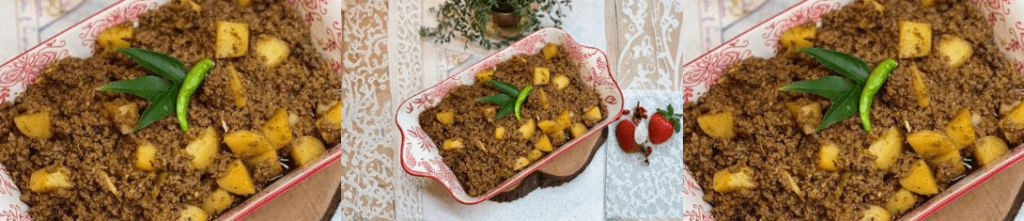
Javeed Style Fry Mutton Qeema: The Ultimate Guide to the Bhunao Technique
Introduction: The Art of the Fry
In the bustling food streets of South Asia, particularly in the legendary eateries of Lahore and Karachi, “Fry Qeema” is a dish that commands respect. Unlike a standard mince curry which can be soupy or mild, Javeed Style Fry Mutton Qeema is defined by its intensity.
At Sister’s Cuisines, Flavor Architect Nabila Imran brings you a recipe that honors the “Double Bhunao” method. This isn’t just about cooking meat; it’s about a transformative process where heat, fat, and spices merge to create a semi-dry, oil-separated masterpiece. Whether you are serving it for a hearty breakfast with crispy parathas or a festive dinner, this qeema is the gold standard of rustic comfort.
- What is the “Bhunao” Technique?
To master this recipe, one must understand Bhunao. In Urdu/Hindi, Bhunao refers to the process of sautéing and stir-frying ingredients over medium-to-high heat until the raw smell of the meat and spices disappears, and the oil (fat) separates from the masala.
The Science of Flavor Concentration
When you “Bhunao” qeema, several things happen:
- The Maillard Reaction: The proteins in the mutton mince brown, creating complex, savory flavor compounds.
- Moisture Reduction: By frying out the water, the spices are forced into the fibers of the meat rather than just sitting in a sauce.
- Oil Separation (Tarka): This is the visual cue that the dish is ready. When the oil rises to the top and looks clear, the flavors have been fully “locked in.”
- Ingredients: The Building Blocks of “Javeed Style”
The Meat: Why Mutton Mince?
While beef or chicken can be used, authentic Javeed Style requires Mutton (Goat meat). Mutton has a higher fat-to-lean ratio and a more robust, gamey flavor that stands up well to heavy frying. For the best results, ask your butcher for a “hand-minced” (haath ka qeema) texture rather than a fine machine-grind, as it provides a better mouthfeel.
The Base: Tomatoes & Onions
- Double Tomato Impact: We use both fresh sliced tomatoes and tomato paste. The fresh tomatoes provide texture and moisture, while the paste provides that deep, iconic red color and a concentrated tang.
- Onions: Sliced thin so they dissolve into the gravy during the frying process.
The Spices
- Turmeric & Red Chili: The pillars of color and heat.
- Coriander Powder: Provides a nutty, citrusy undertone.
- Roasted Cumin: Added at the end to ensure the aroma doesn’t burn away during the long cook.
- Step-by-Step Culinary Masterclass
Phase I: The Aromatic Foundation
Start by heating oil in a heavy-bottomed wok or Karahi. Fry your sliced onions until they reach a perfect golden brown.
Chef’s Tip: Do not let the onions turn dark brown, or the qeema will taste bitter. Add the crushed ginger-garlic and fry until the raw aroma is replaced by a nutty fragrance.
Phase II: The First Bhunao
Add the fresh sliced tomatoes and tomato paste. This is the “Masala Base.” Stir-fry until the tomatoes soften into a jam-like consistency. Now, add the 1 kg Mutton Mince.
At this stage, the meat will release its own juices. You must fry the qeema on high heat until this water evaporates. This is the “First Bhunao.” Adding the potatoes (aloo) now allows them to soak up the rendered fats and spices.
Phase III: The Tenderizing Stage
Add just enough water (usually 1-2 cups) to submerge the meat. Cover with a tight-fitting lid and simmer on low heat. This allows the collagen in the mutton to break down, ensuring the qeema is tender rather than chewy.
Phase IV: The Second Bhunao (The Javeed Secret)
Once the water has dried and the meat is tender, the real work begins. Increase the heat and fry the mixture vigorously. You will notice the color deepening to a rich, dark red. Continue until the oil completely separates and the qeema looks “shiny.”
- The Finishing Touches: Aromatics
A Javeed Style dish is nothing without its “Top Notes.” Just before turning off the flame, add:
- Ginger Julienne: For a fresh, sharp bite.
- Green Chilies: For heat and a vibrant green contrast.
- Roasted Cumin Powder: For a smoky, earthy finish that awakens the senses.
- Nutritional Insights
Mutton is an excellent source of:
- High-Quality Protein: Essential for muscle repair.
- Zinc & Selenium: Vital for immune function.
- Vitamin B12: Supports neurological health.
- Iron: Highly bioavailable heme-iron for energy.
- Pairing & Serving Suggestions
To truly enjoy Fry Mutton Qeema, pair it with:
- Rogani Naan: The thick, buttery bread is perfect for scooping up the semi-dry qeema.
- Lachha Paratha: The flaky layers complement the rustic texture of the meat.
- Kachumbar Salad: A simple mix of diced cucumbers, onions, and tomatoes with lemon juice to cut through the richness.
- Troubleshooting Your Qeema
- Too Oily? Fry qeema is meant to be rich, but if it’s excessive, you can skim the oil off the top and use it to flavor your next vegetable curry.
- Meat is Tough? You may have skipped the simmering stage. Ensure you allow enough time for the meat to tenderize before the final fry.
- Lacks Color? This is usually due to under-frying the tomatoes or onions. The “Double Bhunao” is essential for that deep red hue.
- Master the Fry Qeema Search
What is the difference between Keema and Qeema? They are simply different phonetic spellings of the same word, meaning “minced meat.” Both are commonly used in search queries.
Can I make this with Chicken? Yes, but Chicken Qeema releases less fat and cooks much faster. You will need to reduce the simmering time and be careful not to over-dry the meat during the Bhunao stage.
Why is it called “Javeed Style”? It refers to a specific sub-genre of street-style cooking characterized by heavy frying, high-quality fats, and a semi-dry finish that is popular in iconic South Asian food hubs.
Conclusion: Join the Sister’s Cuisines Legacy
When you master the Bhunao technique, you unlock the true potential of South Asian cooking. This Javeed Style Fry Mutton Qeema is a testament to the philosophy of Nabila Imran: taking the time-honored wisdom of our grandmothers and making it accessible for the modern kitchen.
Fuel the Flavor Legacy: If this recipe brought a taste of the Frontier to your table, please Like, Share, and Subscribe. Your engagement allows us to continue documenting these precious culinary methodologies for future generations.
LET’S BUILD A GLOBAL TABLE: Connect & Create!
The adventure continues after the final garnish! We encourage you to share your finished dishes and engage with our thriving community. Follow the flavor and connect with us:
More Blogs :
- Chane Ki Dal Halwa: The Ultimate Festive Mithai (A Royal, Slow-Cooked Delicacy)
- Bhindi Gosht: The Secret to Non-Slimy Perfection (A Comfort Curry Masterclass)
- Spicy Crab Masala: A Feast of Flavor with Secret Special Spices
- Green Garlic Pickle (Lehsun ka Achar): Your Quick & Tangy Winter Relish!
- Hari Mirch Chicken Qeema: The Ultimate Green Chili Mince (A Weeknight Delight)
- Deghi Style Mutton Qorma (Velvety, Aromatic, and Rich)
- Easy and Delicious Chicken Salami Recipe
- Desi Indian Moong Dal Recipe – Comforting, Healthy, and Authentically Desi
- Hyderabadi Nizami Chicken – Royal Desi Recipe with a Touch of Humor